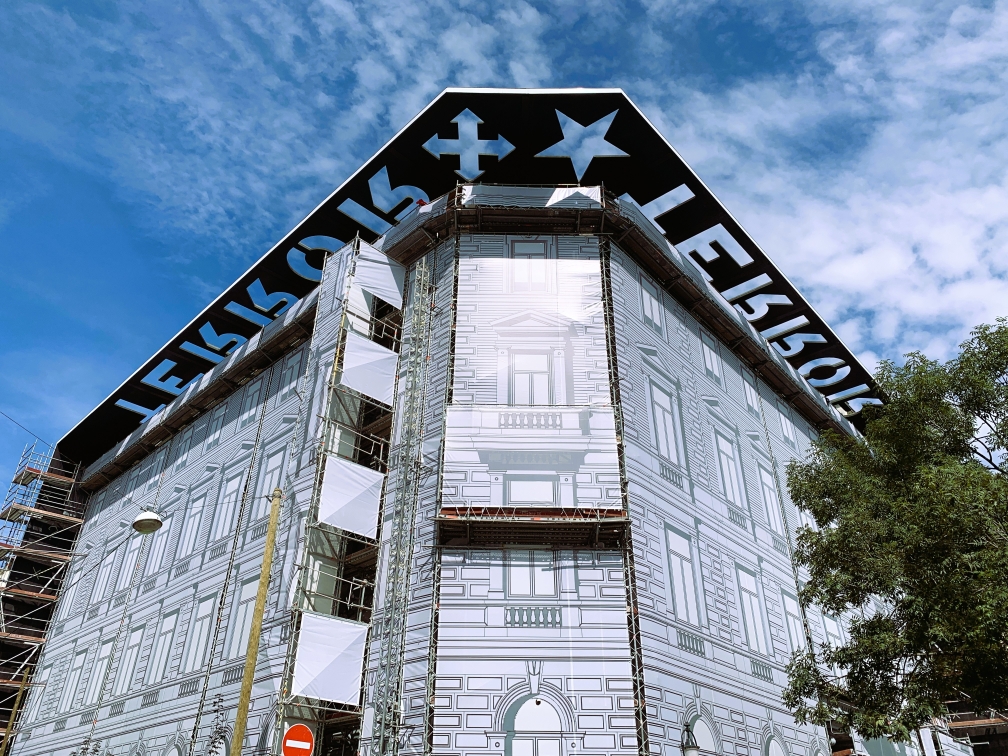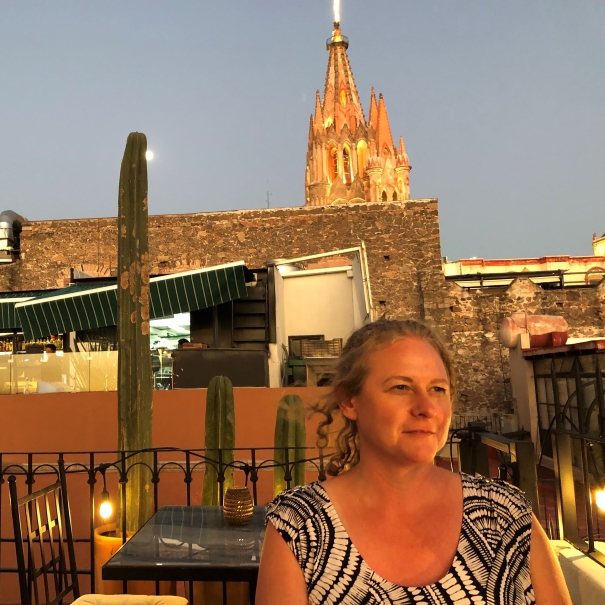

Budapest was a surprise.
Not because I expected little from it—quite the opposite—but because this city holds a depth and contrast few places manage to balance so gracefully. It is beautiful without being boastful, complex without being confusing, and deeply rooted in its past while still stepping forward with confidence.
*Note: Some of these links are affiliate links, meaning that if you book through my link, I will make a small commission (at no extra cost to you).
My husband and I spent 18 days in Budapest this September, walking over 130 kilometres through neighbourhoods, up hills, along the river, and into quiet corners. We watched how people live, how they move through the city, and how history seems to linger in the walls and streets.

And we asked the same questions I ask everywhere we visit:
Could this be a place someone might relocate to?
Could this be a place where freedom, safety, affordability, and opportunity intersect?
Is it easy to move to Hungary?
Here’s what we discovered.
A City of Contrasts: Beauty, Walkability, and Ease
The Danube splits Budapest into two worlds:
- Pest — flat, open, walkable, elegant
- Buda — hilly, historic, crowned by the Castle District
Both sides are equally captivating.

The sidewalks are wide. The architecture is jaw-dropping on nearly every corner. Once you get oriented, the city becomes incredibly easy to navigate. Our daily routine took us through various local highlights, from picking up bread at quaint bakeries to grocery shopping at the bustling markets where fresh produce and traditional pastries tempted us at every stall. Using the efficient public transportation system, we seamlessly traversed the city. When on foot, we sometimes stopped to marvel at a hidden courtyard or striking façade. Interacting with the locals, while subtle, was frequently a pleasant affair on these bus and train rides or during brief exchanges with shopkeepers, adding to the authentic experience Budapest offers. Only one spice store eluded us during our entire stay—and I’m convinced it no longer exists.

People: Reserved, Respectful, and Marked by History
Coming from Mexico, where every day starts with a smile, a greeting, and often a hug, the contrast in Europe is hard not to notice.
Hungarians, in general, are reserved.
Not rude. Not unfriendly. Just… private.
And once you understand their history, it makes perfect sense.
Hungary endured two suffocating regimes in one lifetime:
- Nazi occupation
- Communist dictatorship under Soviet oversight

The Iron Curtain fell not long ago in 1989.
When walls have “ears and eyes” for decades, people adapt. Generations carry that imprint.
Hungarians today are polite, helpful, and considerate, but they mind their own business. Honestly, there is something respectful about this attitude. For expats, integrating into Hungarian society can present both challenges and opportunities. While Hungarians may initially come across as reserved, they often relax once you make an effort to engage with them. Joining local clubs, attending language courses, or participating in community events can be excellent ways for newcomers to build connections and friendships. Budapest has a vibrant expat community, which also provides a network for socializing and integrating into local life. Overall, while it may require some effort and patience, many expats find satisfying social connections in Hungary.
Climate: Gorgeous in September, Cold in Winter
If you love sunshine, September is ideal.
We had blue skies all but one day and temperatures in the high 20s°C (70s°F).
Winter, however, is another story:
- Cold season: Nov 21 – Mar 3
- Average winter highs: Below 8°C (46°F)
- January: -3°C to 3°C (27°F to 37°F)
Not Canadian prairie cold—but chilly enough that the tall buildings will block the sun and amplify the bite of winter.
It’s not a dealbreaker for everyone, but it’s something to consider seriously for long-term living.
Political Climate: Stability, Sovereignty, and Strong Opinions
Hungarian politics are layered, and like everywhere else, opinions vary widely.
While speaking with expats in Budapest, we learned quite a bit about modern Hungarian governance:
- Viktor Orbán is polarizing—some admire him, others hope for change in 2026.
- He resists EU pressure more than most leaders.
- Hungary tightly controls immigration.
- Unlike many EU states, Hungary refuses to send legal military aid to Kyiv.
- Bureaucracy is a fact of life here, especially for residency.
Interestingly, we saw far less political theatre on the streets than we’ve witnessed in Canada or the U.S.

Affordability: Still Good, but Not What It Used to Be
Hungary was once considered exceptionally affordable. But things have changed.
When we sat down with Stuart McAlister, managing director of Inter Relocation Ltd., he explained:
- Hungary experienced 25% inflation over five years.
- This year it settled near 5%
- Oligarchs are buying properties.
- Entry-level real estate is no longer accessible to many Hungarians.
- Locals increasingly cannot afford their own country.
For instance, a typical monthly budget for a single person in Budapest might include around €700-€800 for rent in a central district, €150-€250 for groceries, and €30-€50 for a monthly transportation pass. Numbeo.com is an excellent resource for up-to-date cost-of-living statistics. Remember, the cost of living is relative to lifestyle, and prices are subject to change. The rising cost of rent can make it challenging for many locals and new arrivals to find affordable living options. This is not just a Hungarian issue—it’s a global pattern.
Residency: The Biggest Challenge for Non-EU Citizens
Is it easy to move to Hungary? We attended a residency and immigration workshop organized by Anikó Woods of How to Hungary and learned that in 2024, Hungary overhauled its immigration system—and it was a major shake-up.

What Changed?
The “Other Purposes” residency category, used heavily by North Americans, was abolished.
This means:
- Many existing expats will not have their residency renewed.
- Non-EU citizens now have extremely limited pathways.
- Applying from abroad is almost impossible.
The main remaining option for many?
The Golden Visa (investment residency)
Under Hungary’s new Golden Visa program, which took effect on January 1, 2024, eligible applicants can secure a renewable 10-year residency permit as guest investors. Since Hungary is a full member of the European Union, this long-term residence permit also grants the right to travel throughout the entire Schengen Area. To qualify, investors can choose between two paths: contributing to an approved real estate investment fund or making a donation to a Hungarian university. Because residency regulations evolve regularly, I encourage you to join my newsletter to stay informed about the latest updates.
The Digital Nomad Visa
The digital nomad White Card exists, but wasn’t discussed in depth as it is not super popular. Hungary’s Digital Nomad Visa, also known as the White Card, was created in 2021 to welcome remote workers who want to base themselves in the country. It allows eligible digital nomads to live in Hungary for up to one year, with the possibility to renew for an additional year. This permit is ideal for freelancers or employees of foreign companies who want the freedom to work remotely while enjoying life in Hungary. With the White Card, you gain legal residency, access to essential local services like healthcare and education, and the ability to travel freely throughout the Schengen Area. (Hungary Visa, 2025)
Inconsistency Across Offices
Resident applications aren’t judged evenly:
- Countryside offices → more denials
- Budapest office → more lenient
Trust is earned in Hungary; bureaucracy requires strategy.
Creative Renewal Strategies
Some expats are trying:
- Becoming influencers paid by foreign companies
- Creating Hungarian self-employed income
- Renting out an Airbnb
- Enrolling in university programs (yes, even retirees)
All potentially valid—but all require paying taxes in Hungary and genuine local activity.
Practical Considerations
- Culture exam required
- One year of bank statements for permanent residency
- Appeals allowed
- Lawyer strongly recommended (~€3,000 max)
To apply for residency, you need to follow several steps and gather the right documents. Start by collecting essentials like proof of income, accommodation details, and your passport. Depending on your residency type, you might also need a job offer or proof of school enrollment. After gathering your paperwork, submit it to your lawyer who will work with the immigration office for review. You may also have to attend interviews or appointments. Sometimes, you’ll need to show knowledge of Hungarian culture and meet tax requirements. The process can be complicated, but with good preparation and advice, it’s possible to manage.
My friend, Anikó, at How to Hungary, who has the most generous heart, has offered a 25% discount on her How to Hungary eBook. Use the discount code THANKYOU25 to claim your discount. The book isn’t just a guide. It’s 358 pages of expert-reviewed content, updated monthly. So, if you are serious about relocating to Hungary, give Anikó’s book a look here.

So… Is it Easy to Move to Hungary?
Pros:
- Highly safe
- Affordable healthcare
- Beautiful architecture, culture, and arts
- Strong conservative values
- Tasty food and wine
- Clean, walkable, historic
- Incredibly low taxes (9% corporate, 15% personal)
- Visa-free access to Europe
- Slower pace, European lifestyle
- Real estate is still affordable compared to Western Europe.
- Resistance to EU overreach


Cons:
- Extremely challenging residency for non-EU citizens
- Cold winters
- Difficult language
- Bureaucracy
- Rapidly rising cost of living
- Uneven immigration enforcement
For many, Hungary is not an immediate option—but laws change, and shifts in government can completely rewrite the possibilities.
And for some?
Hungary might offer exactly what they’re looking for.
Final Thoughts: What World Do You Want to Live In?

When I travel, I’m not just exploring places. I’m studying freedom.
How people live.
How they survived.
Where they are going.
And what we can learn.
Hungary raises a few crucial thoughts: Freedom must be protected. History must be remembered. Bureaucracy shapes lives. And every nation, every person, must decide what world they want to build. As you consider Hungary’s journey, how might its history reshape your own definition of freedom? Take a moment to reflect on this. This journaling step can transform observation into a deeper, inner exploration. Through such reflection, you may uncover new insights about the nature of freedom and your place within it.
If you or someone you know is interested in exploring Hungary as a relocation option, feel free to share this blog or reach out. To take the first step in considering Hungary, you might want to subscribe to my newsletter for updates. These resources can guide you through the next stages of your journey, whether that be Hungary or another liberty-loving destination.
Freedom is a journey. And we’re walking it together.
Photos and video taken by Charlotte Tweed

Charlotte Tweed is a Certified Travel Coach with The Travel Coach Network, accredited by the International Coaching Federation (ICF), and founder of Liberty Travel Coach, where she helps aspiring expats use long-term travel as a pathway to freedom and relocation. Her transformational journey began with her first winter escape from Canada to Tennessee—a pivotal decision that sparked a deeper desire for change. She then launched into long-term travel, starting with visits to Egypt and Jordan, followed by a three-month overland trip from Rome to Amsterdam that changed the course of her life.
Today, Charlotte offers exclusive 1:1 coaching and hosts relocation travel retreats designed to help others overcome fear, gain clarity, and take actionable steps toward living abroad. With 22 countries explored and a background in tourism and expat life, she blends deep personal insight with practical guidance.
Are You Craving More Freedom, Purpose, and a Place to Truly Belong? Get your free guide and sign up for A Case for Freedom Fridays here.